

The efficiency of transportation is the heartbeat of any nation’s social and economic progress. As urban populations grow and traffic congestion becomes a global crisis, Intelligent Transportation Systems (ITS) have emerged as the vital bridge between traditional infrastructure and modern technology.
What is an Intelligent Transportation System (ITS)?
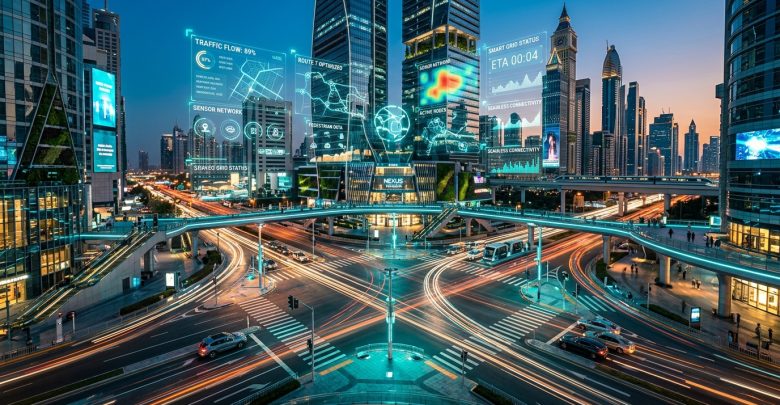
ITS is not just a single tool; it is a complex ecosystem that integrates information technology, telecommunications, and advanced electronics to enhance the safety and efficiency of transportation networks. By processing real-time data, ITS empowers both system controllers and travelers to make informed, data-driven decisions.
Why Do We Need ITS?
We live in an “Information Age,” yet our roads are struggling with:
- Environmental Pollution: Increased emissions due to traffic congestion.
- Energy Constraints: Inefficient fuel consumption.
- Safety Hazards: Significant material and human losses from accidents.
- Urban Demand: Rapidly increasing transport demand, especially during peak hours.
ITS acts as a strategic solution to minimize these issues, transforming disjointed networks into a unified, responsive system.
Core Technologies of ITS
From basic traffic light controls to advanced data integration, ITS utilizes a wide array of tech:
- Data Collection & Distribution: Real-time monitoring of road status.
- Geographic Detection Systems: Precise tracking of vehicle locations.
- Vehicle-Integrated Systems: Smart sensors built into vehicles for autonomous guidance.
- Environmental Integration: Incorporating weather data and road conditions into traffic management.
Key Functions of ITS
- Traffic Optimization: Streamlining vehicle flow to reduce congestion.
- Incident Management: Rapid response to accidents and emergencies.
- Electronic Payments: Automated toll collection, parking fees, and ticket reservations.
- Public Transport Management: Better scheduling and real-time tracking for commuters.
- Pedestrian Support: Enhancing safety for those on foot.
The Evolution: From Early Concepts to Global Integration
The roots of ITS trace back to the late 1960s with experimental projects like ERGS (Electronic Route Guidance System) and UTCS (Urban Traffic Control System). Today, countries like Japan, South Korea, Singapore, and many European nations have institutionalized ITS structures, recognizing them as essential pillars for quality of life and safety.
Conclusion: A Unified System
The true power of ITS lies in its ability to integrate. It brings together vehicles, infrastructure, and people—often managed by separate government agencies—into one seamless, intelligent system. By leveraging Information Technology, we are moving toward a future where transportation is not just a utility, but a highly efficient, safe, and intelligent service.
Tags: #SmartMobility #ITS #TransportationEngineering #SmartCities #TrafficManagement #Innovation #Logistics #TechTrends