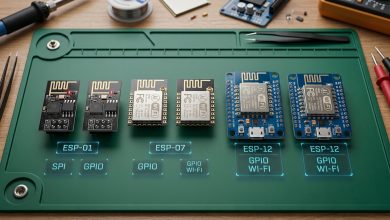



You hear the word “platform” thrown around in tech constantly. “Cross-platform app,” “software platform,” “hardware platform.” But what does it actually mean once you strip away the corporate buzzwords?
The literal, physical meaning of a platform is a stage—a raised structure where people stand or display something. In technology, the concept is exactly the same. A tech platform is the foundational “stage” that allows other things, like applications or software, to sit on top of it and run.
It is a flexible, broad concept. Depending on what you are building, the platform changes. Here is a breakdown of what a platform actually is and why it matters for your next project.
The Technical Definition: What Makes a Platform?
In software engineering and IT, a platform is the combination of hardware, operating systems (OS), and software environments that allow an application to execute.
Think of it as the environment providing the necessary tools, libraries, and architecture for a program to live and breathe.
How Do You Define a Platform? (Look at the App’s Needs)
The easiest way to understand a platform is to look at what the application needs to run. The requirements of the app dictate what the platform consists of.
Let’s look at three real-world examples:
- The OS-Only Platform: Sometimes, an app just needs an operating system. If a mobile app is built to run on any device as long as it has Android installed, then Android is the platform.
- The Combined Platform: What if a web application requires a specific browser environment? If an online tool only works smoothly on an Android device using the Google Chrome browser, then the platform is defined as Android + Chrome.
- The Software Ecosystem Platform: Consider a Telegram bot. A bot cannot exist or function out in the wild on its own; it requires the Telegram application infrastructure to operate. In this scenario, Telegram itself is the platform.
In some cases, specific hardware (like a certain type of processor or graphic card) or side-loaded secondary software is mandatory for execution. When that happens, those physical components become part of the platform framework too.
Platform vs. Operating System: What’s the Difference?
People often mistake an operating system for a platform, and while they overlap, they are not the same thing.
- Operating System (OS): An OS is strictly a piece of software. Its primary job is to manage and control the physical hardware resources of a system (like memory, CPU cycles, and storage). Examples include Windows, macOS, Linux, and Android.
- Platform: A platform is a broader ecosystem. It can include the OS, but it can also include the hardware itself, or even another software runtime layer (like the Java Virtual Machine or Web Browsers).
The Golden Rule: Every operating system can act as a platform, but not every platform is an operating system.
The Bottom Line
When you are planning a digital project or launching an ad campaign for a piece of software, don’t just think about the code. Think about the stage it stands on. Understanding your target platform ensures that your application is optimized for performance, user experience, and scalability.
SEO Tags & Keywords
Tags: #TechExplained #SoftwarePlatform #OperatingSystems #TechVocabulary #WebDevelopment #AppDevelopment #TechForBeginners #DigitalEcosystems