


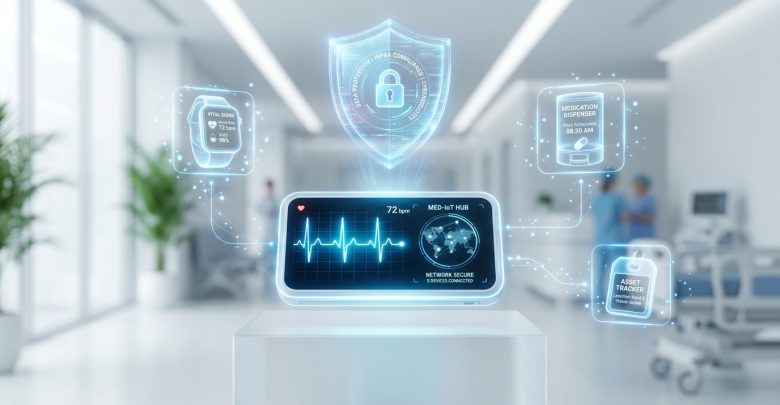
The evolution of healthcare is shifting from traditional manual monitoring to intelligent, automated systems. Long before the Internet of Things (IoT) became a buzzword, the medical industry used telemetry to gather data from patients remotely. Today, IoT has taken this to the next level by connecting live data to advanced medical insights, ultimately improving patient outcomes and reducing human error.
The Critical Challenge: Data Security and Privacy
In the world of IoT, security is paramount, but in healthcare, it is a life-or-death priority. With sensors automatically collecting and storing sensitive medical records, the risk of data breaches is significant.
- HIPAA Compliance: Any developer building a medical IoT device must prioritize patient privacy, adhering to strict standards like the Health Insurance Portability and Accountability Act (HIPAA).
- The Cybersecurity Threat: The rise of ransomware—as seen in the 2016 attack on the Medstar health group, which forced doctors to revert to paper records—has made hospitals increasingly cautious about adding new devices to their networks. Security is no longer optional; it is the foundation of modern medical IT.
Pioneering Medical IoT Innovations
Three groundbreaking applications are currently transforming clinical environments:
1. UroSense (by Future Path Medical)
UroSense is an intelligent monitoring device that automatically tracks urine output and core body temperature (CBT). By monitoring these vital signs wirelessly, clinicians can detect early warning signs of:
- Heart failure and kidney damage.
- Infectious diseases and prostate tumors.
- Diabetes and severe burns.
2. Philips Medication Dispensing Services
Designed specifically for the elderly, this device solves the challenge of medication non-compliance. Using light and sound alerts, it ensures patients take the right medicine at the right time. If a dose is missed, the system tracks the event via phone line, ensuring caregivers are always informed.
3. AirFinder
Efficiency in hospitals often relies on knowing where equipment is. AirFinder is a cost-effective, real-time location system (RTLS) that uses Symphony Link technology. It allows hospital staff to track medical equipment across operating rooms and wards within minutes of installation.
The Path Forward
Predicting the exact trajectory of medical IoT is difficult, but one thing is certain: the combination of technological innovation and increasing investment is paving the way for a more proactive healthcare system. As connectivity improves, we can expect earlier diagnoses, personalized treatments, and a safer clinical environment for patients worldwide.
Tags: #IoMT #HealthcareTech #IoT #DigitalHealth #MedicalInnovation #CyberSecurity #HealthTech