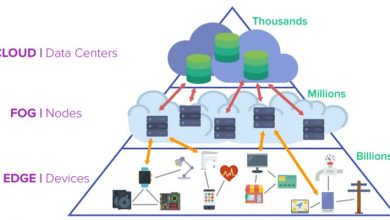



The Internet of Things (IoT) is a complex, interconnected network of smart devices constantly exchanging massive volumes of data. From smart homes and medical electronics to complex smart city infrastructure, IoT ecosystems rely on sensors to gather environmental data and execute automated commands. Because these systems often leverage cloud computing and handle sensitive personal and industrial information, their security is paramount.
As the number of connected devices continues to grow into the billions, so does the risk of exploitation. This post categorizes the most common IoT attacks to help developers and system architects identify vulnerabilities and implement robust protection strategies.
The Four Pillars of IoT Security
An effective IoT system must guarantee:
- Identification & Authentication: Verifying who or what is accessing the network.
- Confidentiality: Ensuring data remains private.
- Non-repudiation: Ensuring actions cannot be denied by the source.
- Reliability: Ensuring the system functions as intended under all conditions.
Taxonomy of IoT Attacks
1. Identity & Access Attacks
- Spoofing: The attacker impersonates a legitimate node by sending false messages. This often serves as a precursor to more complex attacks like routing loops or DoS.
- Sybil Attack: A single malicious node assumes multiple identities simultaneously, compromising data integrity and tricking the network into routing traffic through the attacker.
- Access Level Attacks: Unauthorized access to information by eavesdropping or bypassing permissions, whether actively or passively.
- Node Impersonation: An attacker steals the identity of a legitimate node to inject malicious packets, often leading to catastrophic network-wide failure.
2. Network & Availability Attacks
- DoS/DDoS (Denial of Service): Exhausting resources or bandwidth to make services and server resources unavailable to legitimate users.
- Interruption: Specifically targeting system availability to disrupt core operations, which can have severe real-world consequences.
- Message Replay: Capturing legitimate messages and retransmitting or modifying them later to trigger unauthorized actions.
3. Data Integrity & Privacy Attacks
- Eavesdropping: Passive monitoring of communication channels to steal confidential information.
- Alteration: Directly modifying data packets to corrupt the integrity of the system’s decision-making process.
- Fabrication: Generating fraudulent identity or authentication data to compromise the entire system structure.
- Man-in-the-Middle (MitM): Intercepting the communication path between two entities to modify data in real-time for malicious gain.
4. Infrastructure & Strategic Attacks
- Device Property Attacks: Exploiting the physical limitations of IoT devices (e.g., draining battery life, overwhelming CPU/memory, or providing false sensor data).
- Adversary Location: Whether internal or external, attackers map the physical or logical location of nodes to exploit sensitive information via trial and error.
- Attack Strategy: Combining physical and logical methods to disrupt the overarching strategy of the IoT system.
- Information Level Attack: Targeting the sensors themselves to feed corrupted or manipulated environmental data into the network.
5. System Compromise Attacks
- Host-Based Attacks: Exploiting vulnerabilities in the specific hardware or software running on a host device.
- User/Software/Hardware Compromise: Occurs when users, software, or hardware components are manipulated—or collude—to leak information or compromise the system.
- Protocol-Based Attacks: Deviating from standard communication protocols to bypass security features or induce malfunctions.
Conclusion
As IoT technology integrates deeper into our daily lives, the surface area for attacks expands exponentially. By understanding these threat vectors—from simple spoofing to complex protocol exploitation—developers can build more resilient systems. Security is not a one-time setup; it is a continuous process of identification, monitoring, and proactive hardening.
Tags:
#IoTSecurity #CyberSecurity #IoTAttacks #SmartCity #DataPrivacy #CyberThreats #NetworkSecurity #SmartHome #IndustrialIoT